
• Home
  • About
    • Meet Shantih
    • The FFN Method
    • The FFN Process
  • Services
    • 1 On 1 Sports Nutrition Coaching
    • Elite On-Site
    • Team Audit
    • ISAK Sport Anthropometry
  • Elite Sports Nutrition
    • Team Sports Nutrition
    • Individual Sports Nutrition
  • Blog
  • eBook
  • Contact Us

Athlete Application
  • Home
  • About
    • Meet Shantih
    • The FFN Method
    • The FFN Process
  • Services
    • 1 On 1 Sports Nutrition Coaching
    • Elite On-Site
    • Team Audit
    • ISAK Sport Anthropometry
  • Elite Sports Nutrition
    • Team Sports Nutrition
    • Individual Sports Nutrition
  • Blog
  • eBook
  • Contact Us
September 17, 2026

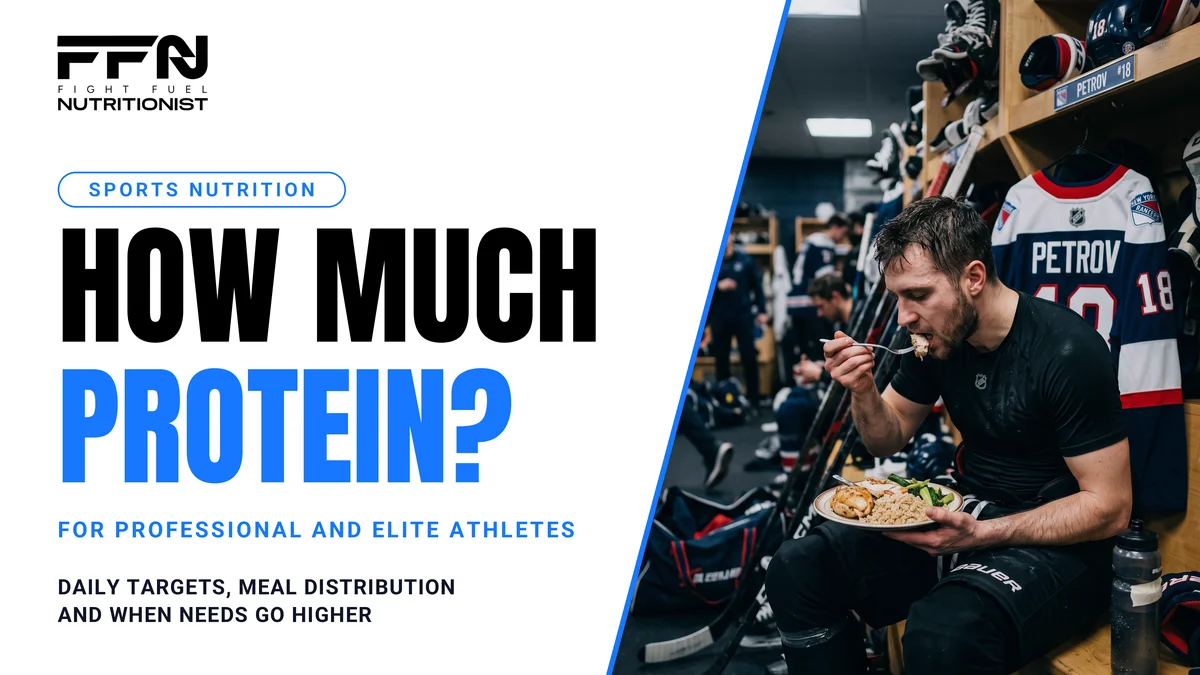
How Much Protein Does an Athlete Really Need?

Daily targets, meal-by-meal distribution, and when protein needs go higher during injury, weight cuts, and heavy tr...

September 15, 2026

The UEFA Nutrition Statement for Elite Football: What Every Professional Player Should Know

A practical overview of the 9 topic areas covered by the UEFA expert group from match day fueling to junior players...

August 24, 2026

Beyond Muscle: The Full Case for Creatine

The most studied supplement in sport — how to use it well across strength, power, sprint, and recovery Why Creati...

May 18, 2026

Caffeine for Professional Athletes

Dose, timing, and individual response in the most-studied  supplement in sport Caffeine is the most widely used le...

January 16, 2026

Sports Supplements for Professional Athletes

What works, what doesn’t, and how to protect your anti-doping eligibility The supplement industry generates o...

SERVICES

  • 1 On 1 Coaching
  • Elite On-Site
  • Team Audit
  • ISAK Sport Anthropometry

ABOUT

  • Meet Shantih
  • The FNN Method
  • The FFN Process

Elite Sports Nutrition

  • Team Sports Nutrition
  • Individual Sports Nutrition

Contact

  • Contact Us
  • Resources
  • Success Stories
Copyright © 2026 FFN Privacy Policy Terms Of Use

Table of Contents

×
  • Daily targets, meal-by-meal distribution, and when protein needs go higher during injury, weight cuts, and heavy training loads
      • Key Points
      • What the Evidence Actually Shows
        • Protein and adaptation
        • Endurance vs strength and power
        • How muscle repair and rebuilding actually works
      • How Much Protein Do Professional Athletes Actually Need?
        • The 1.6 to 2.2 g/kg range
        • What that looks like in practice
        • Higher is not automatically better
      • The Anabolic Window: What Was Wrong, What Is Actually True
        • The old model
        • What the evidence actually shows
        • Why post-training protein still matters
      • Distribution Across the Day: The Practical Structure
        • The 3 to 4 meal framework
        • The leucine trigger
        • The pre-sleep opportunity
        • Breakfast is the other gap
      • When Protein Needs Are Higher
        • Elevated protein needs at a glance
        • Injury and rehabilitation
        • A practical day post-surgery
        • The cost of under-fueling during injury
        • Weight cuts and body composition work
        • REDs and low energy availability
        • Endurance training on low carbohydrate availability
        • Older athletes
      • Whole Food First — And When Supplements Actually Help
        • The food-first principle
        • When protein supplements actually earn their place
        • What supplements do NOT do
        • Contamination and third-party testing
      • Protein Sources: A Practical Comparison
        • Whole food protein sources
        • Supplement protein options
      • Common Mistakes
        • Under-eating protein at breakfast
        • Skipping pre-sleep protein
        • Chasing higher and higher totals
        • Under-fueling during injury
        • Relying on shakes instead of meals
        • Ignoring plant protein leucine content
      • Practical Application
      • Conclusion
      • References
→ Index